By continuing your navigation on this website, you accept the use of cookies for statistical purposes.


Epimoric
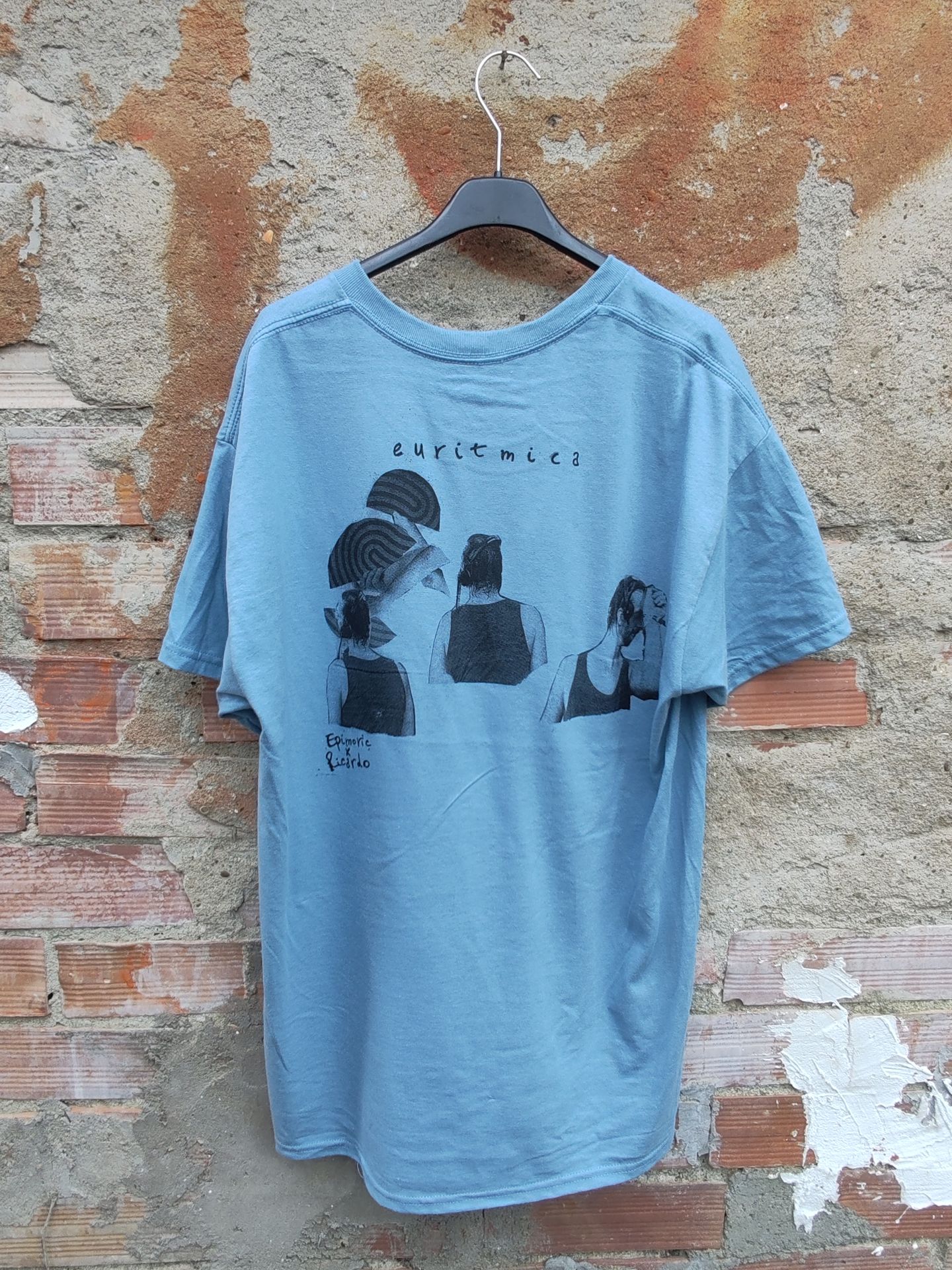
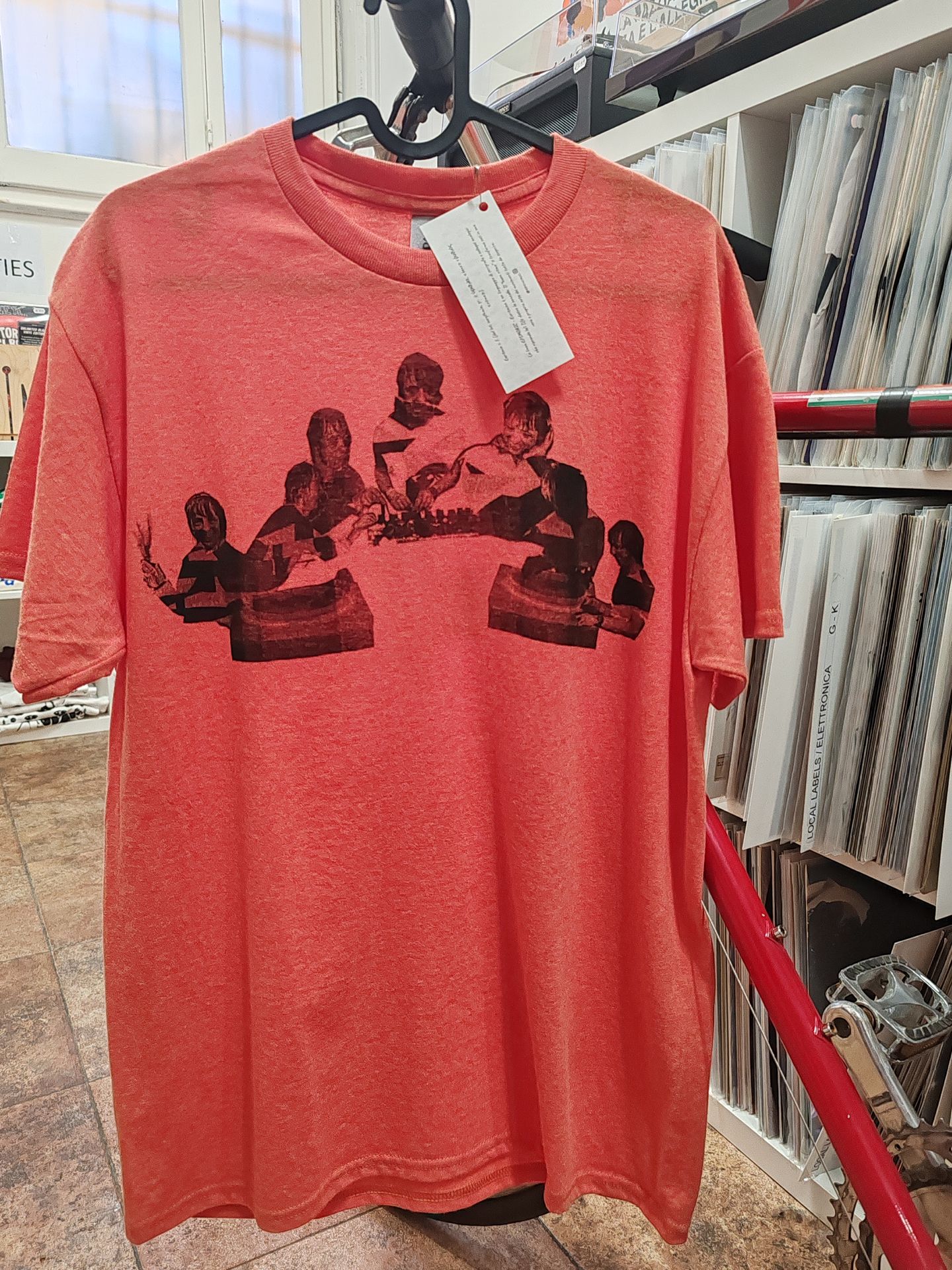
Epimoric T-Shirt - Peel Collection "Aphex Twin - ILLEGITIMATE CHILDREN DISSING"
Epimoric (EPMRC-APX)
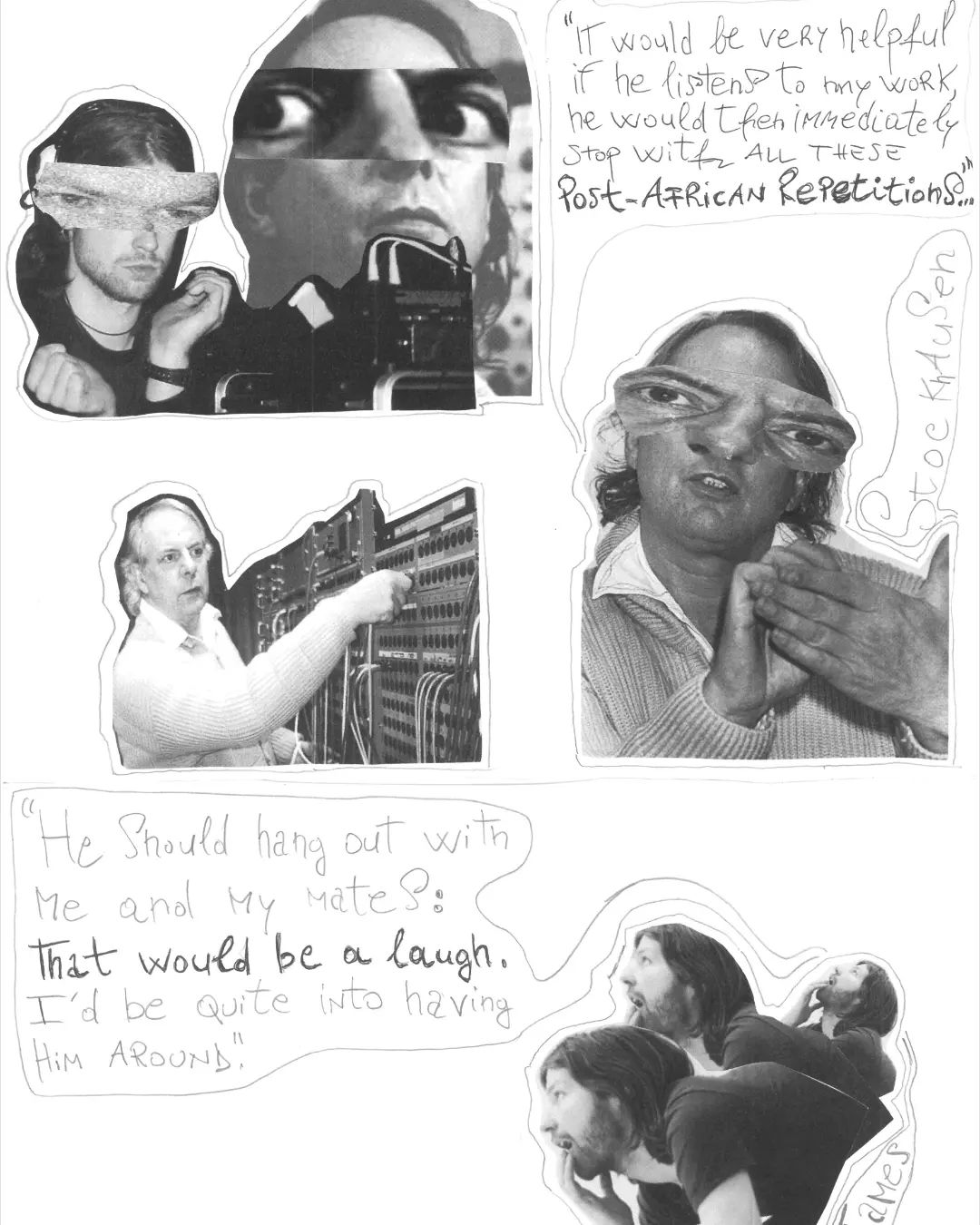
In November 1995, a dissing happened between two great artists of electronic music, of different generations. The Wire magazine publishes an article with a magnificent title: “Advice to Clever Children”. The idea behind it is interesting. The magazine sends the German composer Karlheinz Stockhausen, one of the main figures of electro-acoustic composition and musique concrète, some tapes of the most promising contemporary electronic artists. The father of electronic music who reviews his illegitimate but very intelligentchildren. AmongthechildrenisayoungAphexTwinwho,attwenty-four,isone of the most promising figures on the IDM (Intelligent Dance Music) scene. Stockhausen – on Aphex Twin – will release this statement, “I heard the piece Aphex Twin of Richard James carefully: I think it would be very helpful if he listens to my work Song of the Youth (ed. Gesang der Jünglinge) which is electronic music , and a young boy's voice singing with himself. Because he would then immediately stop with all these post-African repetitions, and he would look for changing tempos and changing rhythms, and he would not allow to repeat any rhythm if it was varied to some extent and if it did not have a direction in its sequence of variations“.
In practice, Stockhausen criticizes the rhythmic repetitiveness in Western electronic music, what he defines with the term post-African. The maestro finds it uninteresting that his 'son' is also the son of clubbing which, out of obsessive repetitiveness, has made the founding character of club culture.
Aphex Twin's response is an ironic, almost comical lash, as is his nature. He kicks his father, kills him as every son of another generation must do to make his own way. Do you reckon he can dance?, adding that, after hearing Song of the Youth, he hadn't found a groove, a bassline, even though in the 50s one could already find "weird percussion records that are awesome to dance to, and they've got basslines“. Basically, for Aphex Twin an electronics that doesn't make you dance is unthinkable.
This exchange tells us how musique électronique was conceived and conceived in a given historical moment by two musicians who, in radically opposite ways, have indelibly shaped thehistoryofWesternmusic. Forus,itremainsanexcellentexercisetoremindusthatthe concept of electronic music is broad, gigantic, and was already born after the Second World War, with completely different contexts, means, concepts.
More than a dissing, it was an exchange of visions from two planets scrutinizing each other. It will be Aphex Twin himself who concludes it all with a beautiful sentence, “Stockhausen should hang out with me and my mates: do you know what to laugh about? I'd love to have him around."